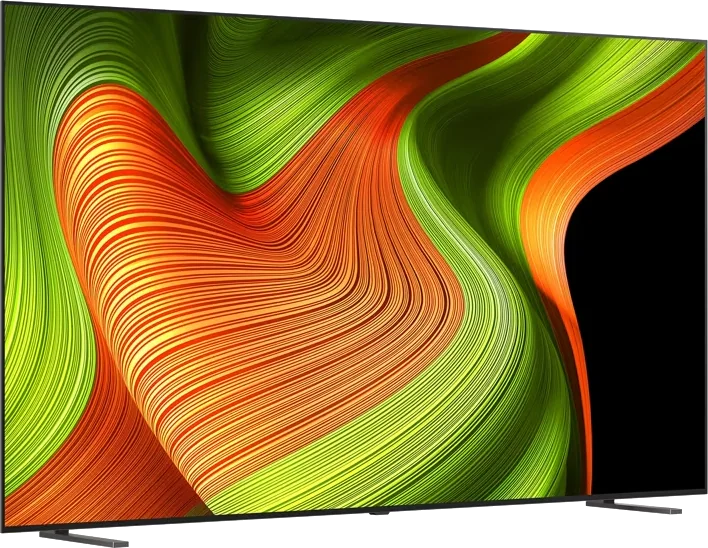
LG · 2025 · WOLED
B5 OLED
48 · 55 · 65 · 77 · 83″
List from
$1,400
MOV
BRT
GME
Explainer
How the two main premium TV technologies differ on black levels, brightness, color and viewing angles, and which room each one suits.
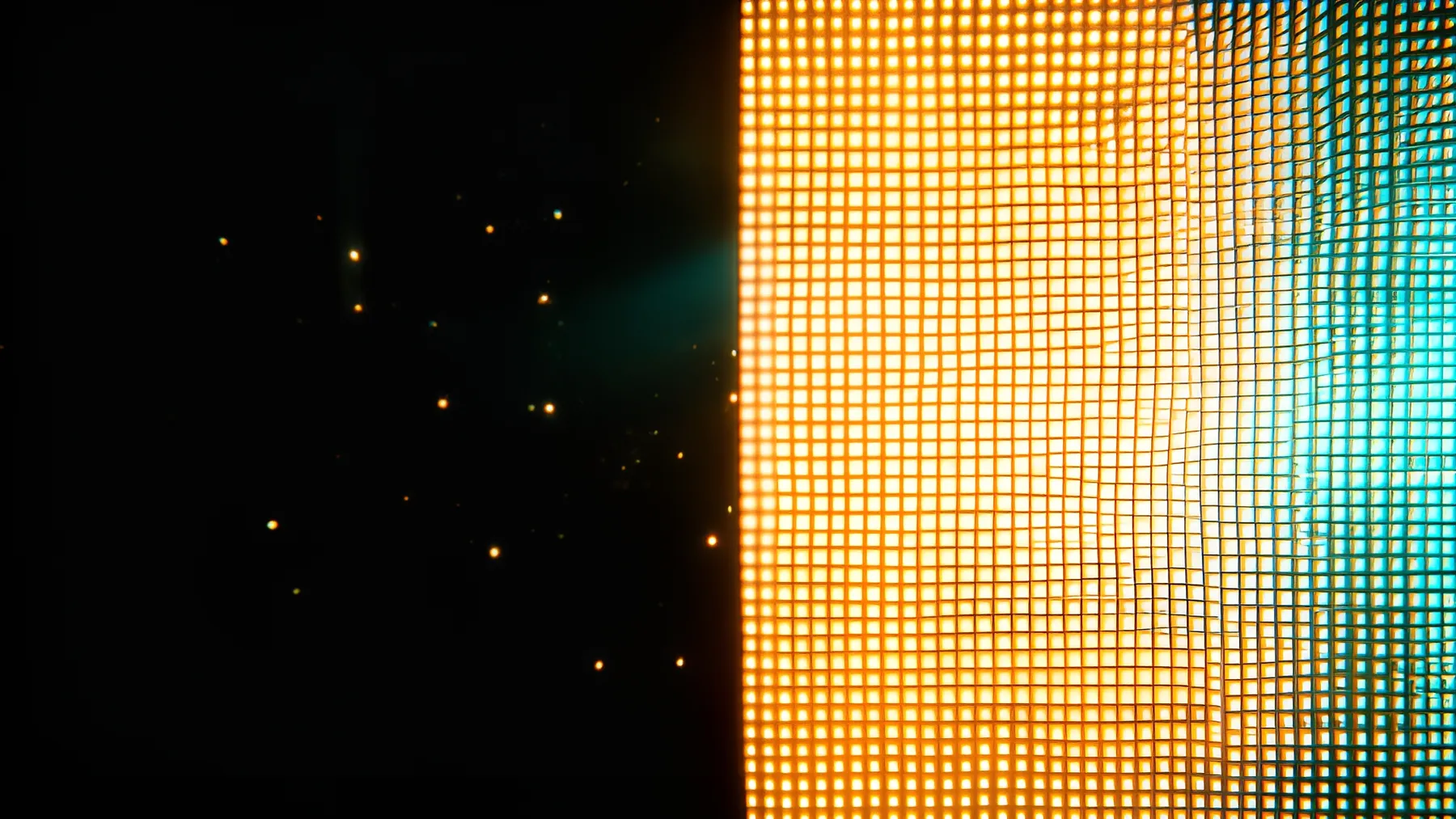
Most premium TVs sold today use one of two display technologies. OLED TVs make light at each pixel. Mini LED TVs are LCD TVs lit from behind by a dense array of very small LEDs. Both look excellent, and the better choice depends mostly on the room you will watch in.
On an OLED, every pixel is its own light source. A pixel that should be black simply turns off, which is why OLED is known for deep blacks and sharp edges between light and dark. TechRadar's explainer notes that a 4K OLED effectively has more than eight million lighting zones, one per pixel.
Mini LED keeps the traditional LCD design: a backlight shines through liquid crystal cells. The "mini" refers to the LEDs in the backlight, which are grouped into dimming zones that brighten or darken together. TechRadar's older explainer gave around 3,000 zones as a typical high figure, which works out to a block of roughly 2,700 pixels per zone on a 4K screen. Newer sets have improved, but a zone is still much larger than a pixel.
This is OLED's clearest win. In a 2026 head-to-head between LG's entry-level B6 OLED and TCL's mid-range mini-LED, the tester found the OLED produced deeper and more consistent black tones in space scenes, while the TCL showed some blooming, which is a glow around bright objects on dark backgrounds. The same tester also said mini-LED backlight control is improving, and the TCL did better than earlier TCL generations.
The picture is not one-sided. The mini-LED's brighter highlights gave some scenes more punch, and it showed more shadow detail in one very dark movie scene that looked crushed on the OLED until a different picture mode was selected.
Mini LED is the brighter technology. In that same comparison the LG B6 measured about 808 nits for small highlights in its most accurate picture mode, against about 2,083 nits for the TCL. (A nit is a unit of brightness; see our nits explainer.) Tom's Guide reached a similar conclusion, putting the B6 near 800 nits and TCL's QM7L around 2,300, and adding that the QM7L's full-screen brightness is far higher than LG's entry-level OLED.
OLED brightness has risen over the years, mainly at the mid-range and flagship tiers, but entry-level OLEDs are usually the dimmest. For a room with big windows, that gap is the main reason people choose Mini LED. Tom's Guide suggests mid-range OLEDs are bright enough for most living rooms unless the space is flooded with sunlight.
OLED holds its color and contrast when you sit off to the side. LCD-based panels, including Mini LED, lose some color accuracy and contrast off-axis, though how much varies by model. If your seating is wide, such as a sofa along one wall, favor OLED, or check reviews of a specific Mini LED for how it looks off-center.
Color is closer than it used to be. Quantum dots, a layer of tiny particles that purify the backlight color, let Mini LED rival OLED on color. TechRadar's comparison found the OLED's colors richer with more depth, while the mini-LED's were punchier because of its extra brightness.
OLED uses organic materials, and the blue ones age fastest. That can lead to burn-in, a faint permanent ghost of a static image such as a channel logo. Modern OLED TVs have pixel shifting and other protections, and Tom's Guide's tester says burn-in should not stop anyone from buying one, but advises resting the TV if you often play games with static on-screen displays or watch news tickers. Mini LED does not share this concern. Our OLED burn-in explainer covers it in more detail.
| Your situation | Lean toward |
|---|---|
| Mostly night-time movies, dim room | OLED |
| Bright room, daytime sports and news | Mini LED |
| Wide seating angles | OLED |
| Tight budget and a big screen | Mini LED |
| Heavy static content (news, desktop use) | Mini LED, or an OLED with careful settings |
Good examples to compare are the LG C6 OLED and the Hisense U8QG mini-LED, or use our compare tool. If you are still deciding, the finder can filter by panel type and room brightness.
Good to know
No. Mini LED is a type of LCD TV that uses thousands of tiny LEDs as a backlight. OLED has no backlight because every pixel makes its own light.
Both can be excellent. OLED has an edge in pixel response, while some Mini LED sets offer very low input lag and high refresh rates. Check the specific model's gaming features instead of choosing by panel type.
Burn-in is a concern specific to OLED's organic pixels. Mini LED uses the same kind of LED technology as other LCD TVs, so reliability is not generally a worry.
Mentioned in this article
LG · 2025 · WOLED
48 · 55 · 65 · 77 · 83″
List from
$1,400
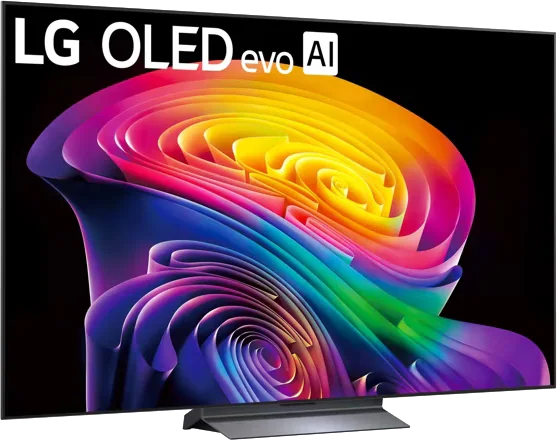
LG · 2026 · WOLED
42 · 48 · 55 · 65 · 77 · 83″
From
$899.99
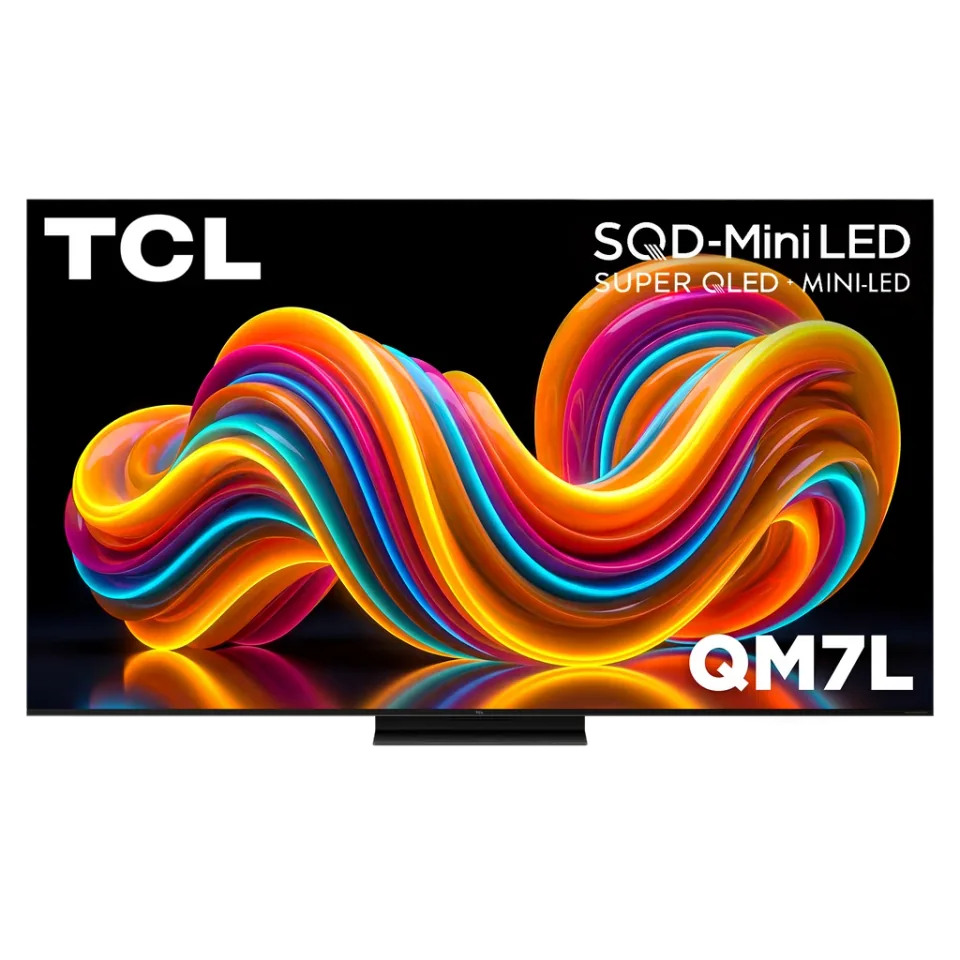
TCL · 2026 · Mini LED
55 · 65 · 75 · 85 · 98″
From
$699.99
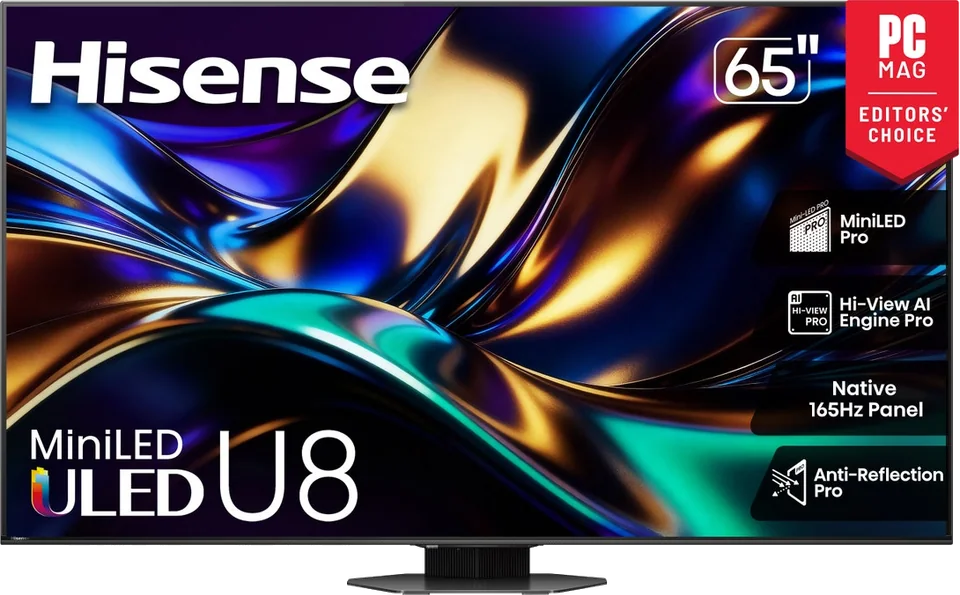
Hisense · 2025 · Mini LED
55 · 65 · 75 · 85 · 100″
Check retailers
4 sources used for this article. We paraphrase and link, we do not republish.
More explainer
A nit is a unit of brightness. Here is how to read the numbers in TV reviews and how much you really need.

HDR widens the range between dark and bright on screen. Here is how the main formats differ and which brands support which.
What HDMI 2.1 actually adds, why only some ports on a TV may support it, and how to pick a cable that will not hold you back.
A short letter when something is worth your attention. Unsubscribe any time.