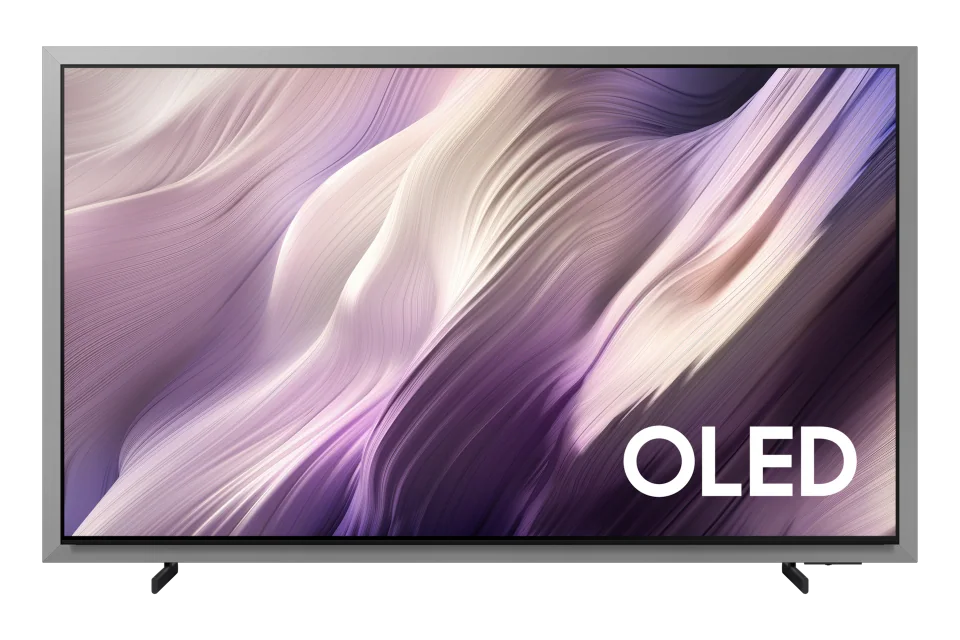
01
Samsung · 2026 · QD-OLED
S95H OLED
55 · 65 · 77 · 83″
From
$1,900
MOV
BRT
GME
Display technology
OLED’s self-lit black with a quantum dot layer for richer, brighter color.
How it works
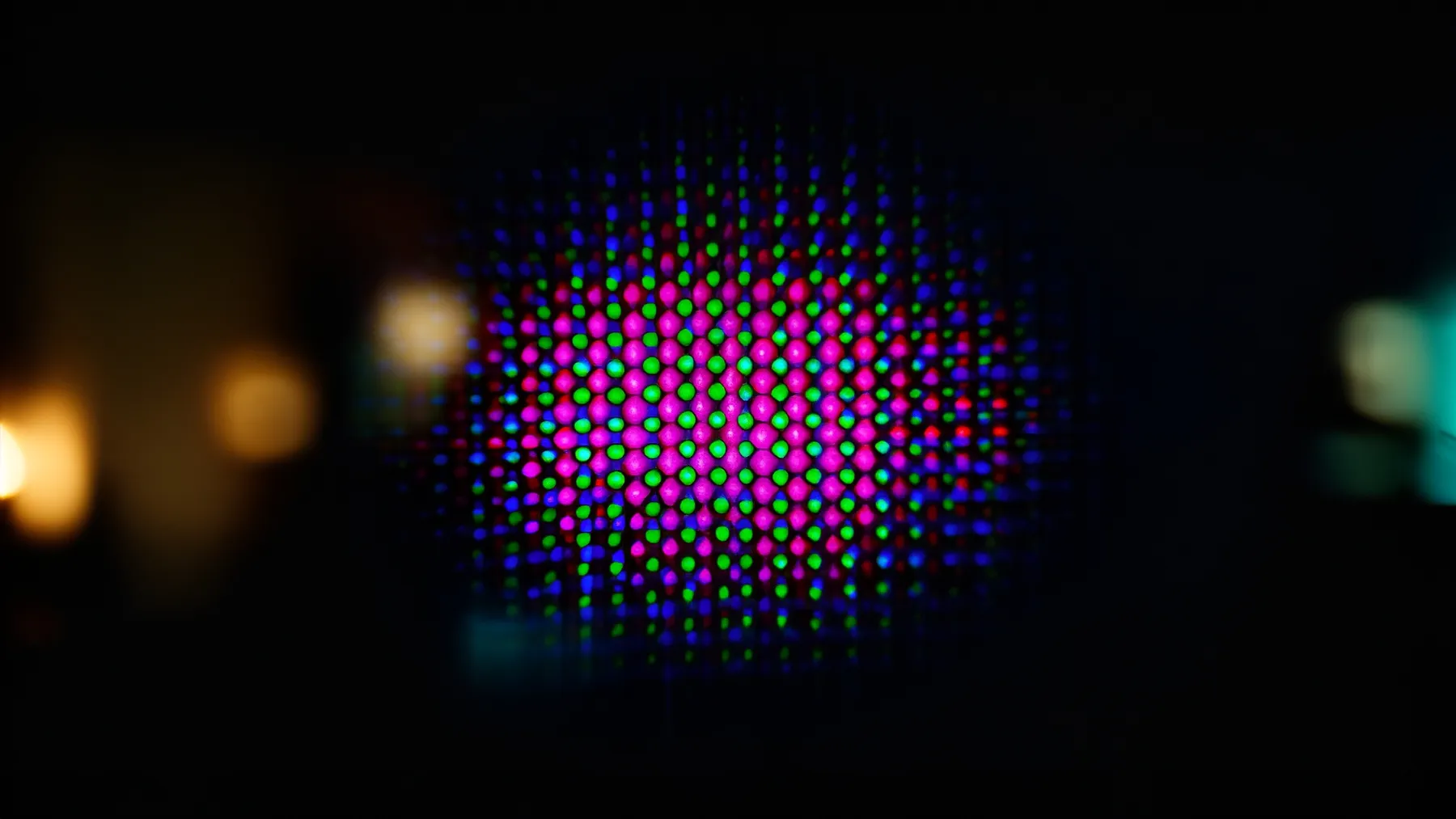
QD-OLED, short for quantum dot OLED, uses blue OLED emitters and a layer of quantum dots to turn that blue light into red and green. Samsung Display makes the panels, and they appear in sets from several brands.
Skipping the white emitters and color filters used by WOLED lets more light through, which helps saturated colors stay bright. Like any OLED, each pixel can switch fully off.
This is general background on the technology, not a rating of any one TV. Models differ a great deal inside every technology, which is why each product page keeps manufacturer claims apart from independent measurements.
The models
4 models in the catalog, 4 with independent measurements. Scores are calculated from published specs and measurements, and every one shows its working on the product page.
Questions
Neither is better in every way. QD-OLED tends to show more saturated color at higher brightness, while WOLED is common, widely available in many sizes and can handle some room-light situations differently. Compare measurements for the exact models you are considering.
Some models do raise their blacks when bright light hits the screen. Independent testers report this per model, and generations differ, so read the measured results before buying for a bright room.
It is an OLED technology, so the general advice is the same: vary what you watch, use the maker’s protection features and avoid leaving static bright content on screen for hours.
Other display technologies
Pixels that make their own light. Perfect black, near-instant response.
Thousands of tiny backlights for huge brightness.
Red, green and blue backlight LEDs, the newest LCD technology.
Quantum-dot LCD: richer color at mainstream prices.
The everyday TV. Simple, affordable, gets the job done.