01
Samsung · 2026 · LED-LCD
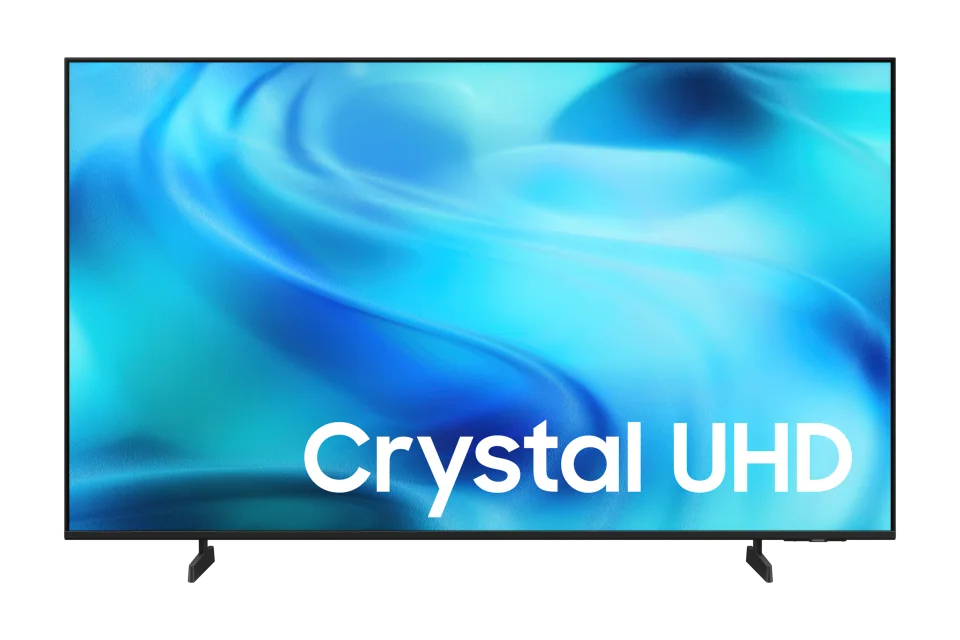
Crystal UHD U8000H
43 · 50 · 55 · 58 · 65 · 70 · 75 · 85″
From
$199.99
MOV
BRT
GME
Display technology
The everyday TV: an LCD panel lit by LEDs, simple and affordable.
How it works
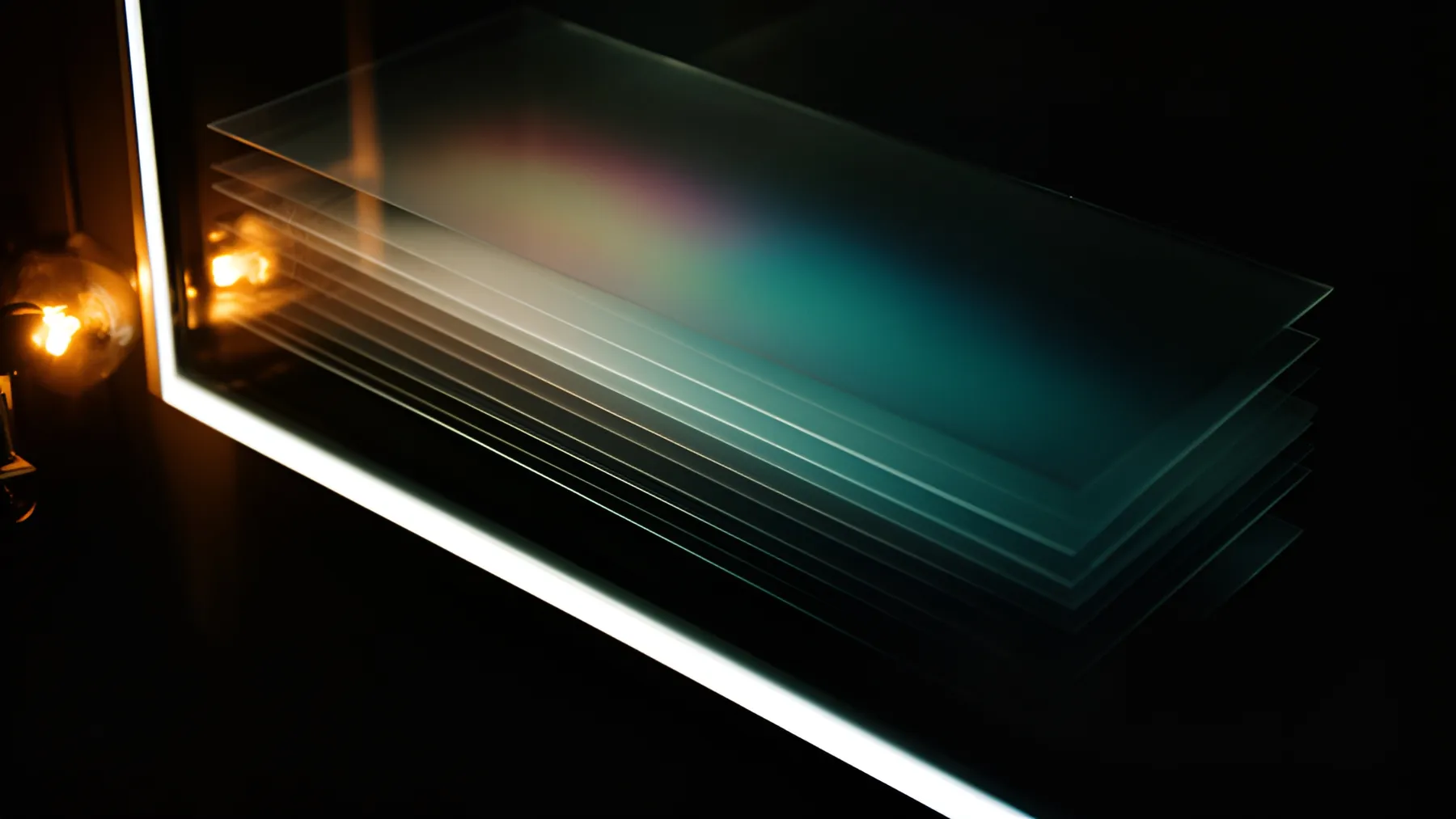
An LED TV is an LCD panel lit from behind or from the edges by LEDs. The LCD pixels act like shutters that let different amounts of that light through, and color filters supply the colors.
This is the most common TV type, and it covers everything from small bedroom sets to inexpensive large screens. Picture quality varies with the backlight type, the panel and how much effort the maker put into processing.
This is general background on the technology, not a rating of any one TV. Models differ a great deal inside every technology, which is why each product page keeps manufacturer claims apart from independent measurements.
The models
2 models in the catalog. Scores are calculated from published specs and measurements, and every one shows its working on the product page.
Questions
Nearly always, yes. Modern LED TVs are LCD TVs with LED backlights. The name just describes the light source.
It depends on where you watch. In a bright room or for casual use, a good LED TV can be plenty. In a dark room, the extra contrast of Mini LED or OLED is easier to see.
Many accept HDR signals, but limited brightness and dimming mean the effect is often modest. Measured brightness on each product page shows how far a model goes.
Other display technologies
Pixels that make their own light. Perfect black, near-instant response.
OLED’s blacks with quantum-dot color volume.
Thousands of tiny backlights for huge brightness.
Red, green and blue backlight LEDs, the newest LCD technology.
Quantum-dot LCD: richer color at mainstream prices.